Pittsburgh Rust Belt
Microbiome Conference
November 5 - 6, 2026
The goal of the Pittsburgh Rust Belt Microbiome (RBM) Conference 2026 is to bring together the microbiome, microbial evolution, and pathogenesis research communities from academic institutions and medical centers in the Rust Belt region.
Our program integrates basic and translational science researchers and physicians in clinical practice at all levels of their careers. Plenary sessions, keynote talks, poster sessions, lunches, and a reception at the Phipps Conservatory will provide multiple opportunities for participants to present and discuss their work.
KEYNOTE SPEAKERS

Graham Hatfull, PhD
University of Pittsburgh
short bio
Dr. Hatfull is Professor of Biological Sciences at the University of Pittsburgh. He received his Ph.D. in Molecular Biology from Edinburgh University in 1981 and did postdoctoral work at Yale University and at the Medical Research Council at Cambridge University. He joined the University of Pittsburgh in 1988 and served as Chair of the Department of Biological Sciences from 2003 to 2011. Dr. Hatfull’s research focuses on the molecular genetics of the mycobacteria and their bacteriophages, and their use for educational advancement and clinical interventions. Dr. Hatfull has published over 300 articles, book chapters and reviews, and has co-edited four books. He is a Fellow of the Royal Society, a member of the National Academy of Sciences, the American Academy of Arts and Sciences, the American Academy of Microbiology, and is a fellow of the American Association for the Advancement of Science. He has been a Howard Hughes Medical Institute Professor since 2002.
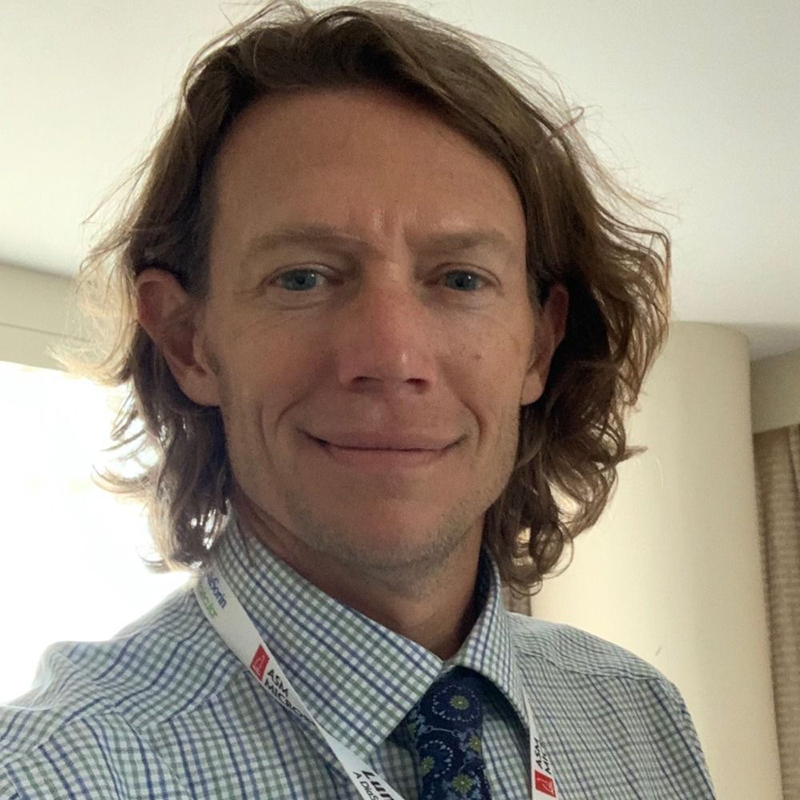
Vaughn S. Cooper, PhD
University of Pittsburgh School of Medicine
short bio
Vaughn Cooper, Ph.D. is an evolutionary biologist and microbiologist. He is currently Professor of Microbiology and Molecular Genetics, and Computational and Systems Biology, at the University of Pittsburgh, School of Medicine. He co-founded is Director of the Center for Evolutionary Biology and Medicine (CEBaM), which works to catalyze research and education at the interface of these disciplines. He’s also a Fellow of the American Academy of Microbiology, an elected Board member of the American Society of Microbiology (ASM), and is President-Elect of ASM in 2025-6. The Cooper laboratory studies how potential pathogens evolve to adapt to new hosts and environments, including by forming biofilm or gaining antimicrobial resistance. This research has led to >140 peer-reviewed publications and several perspective articles for public audiences. Recently, Dr. Cooper helped to form a team of scientists to consider the potential risks of mirror life and became a board member of the Mirror Biology Dialogue Fund. The Cooper laboratory is proud to have founded EvolvingSTEM, a comprehensive educational program that provides authentic classroom research experiences for thousands of middle and high school students annually in which they conduct a microbiology experiment that demonstrates evolution in action. The major goal of EvolvingSTEM is to help students see themselves as scientists and join the STEM workforce.
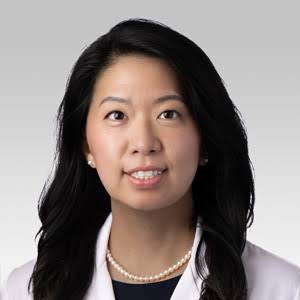
Jennie H. Kwon, DO, MSCI
Northwestern University Feinberg School of Medicine
short bio
Jennie H. Kwon, DO, MSCI, is the Gene Stollerman Professor of Medicine and Chief of the Division of Infectious Diseases. She completed her fellowship training and earned a Master of Science in Clinical Investigation at Washington University in St. Louis. Dr. Kwon is an expert in antimicrobial resistance and infection prevention and is an active researcher, clinician, and educator.
The mission of the Kwon Lab is to combat antimicrobial resistance and advance infection prevention research. The lab investigates reservoirs of antimicrobial-resistant organisms and develops novel, pragmatic approaches to improve the detection, prevention, and treatment of infectious diseases. Dr. Kwon has held multiple leadership roles with the Society for Healthcare Epidemiology of America and the Infectious Diseases Society of America and served as a member of the Department of Health and Human Services (DHHS) Healthcare Infection Control Practices Advisory Committee. She is currently a member of the DHHS Presidential Advisory Council on Combating Antibiotic-Resistant Bacteria.
Dr. Kwon cares for patients with infectious diseases, including individuals living with immunocompromising conditions. She mentors students and trainees in infectious diseases research and clinical care and is committed to training the next generation of infectious diseases practitioners and scientists.
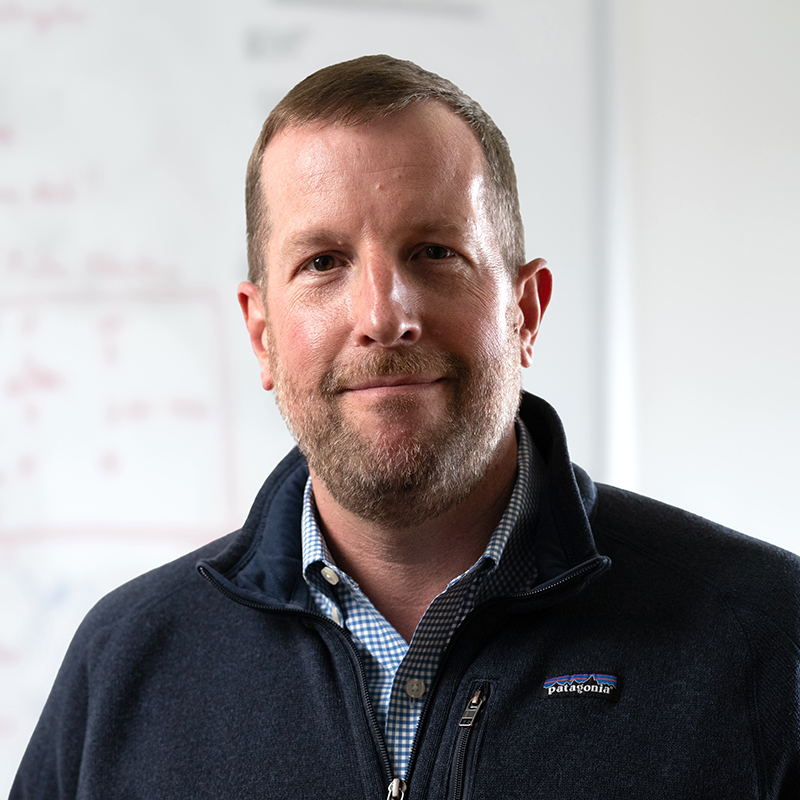
Andrew D. Patterson, PhD
Pennsylvania State University
short bio
Andrew Patterson is the John T. and Paige S. Smith Professor at Penn State, Associate Director of the Huck Institutes of the Life Sciences, and Director of the Center for Environmental Health Sciences. His research focuses on the intersections of the gut microbiome, metabolism, toxicology, and environmental health. His lab’s work aims to define how diet, environmental chemicals, and microbial metabolism influence host physiology and disease risk. By integrating metabolomics, microbiome science, and systems-level approaches, his group seeks to uncover the mechanisms by which the microbiome shapes responses to everyday chemical exposures and contributes to human health.
SPEAKER SECTIONS
Interface of Immunity and Microbiome
Chairs:
Dr. Timothy Hand PhD, University of Pittsburgh
Anthony St. Leger PhD, University of Pittsburgh
Speakers:
Anthony St. Leger PhD, University of Pittsburgh
Phillip Ahern PhD, Cleveland Clinic
Rachel Gottschalk PhD, University of Pittsburgh
Natalie Silver MD, MS, Cleveland Clinic
Drug Discovery and the Microbiome
Chair:
Dr. Jan Claesen PhD, Cleveland Clinic
Speakers:
llana Brito PhD, Cornell University
Marcy Balunas PhD, University of Michigan
Mark Mimee PhD, The University of Chicago
Secretion, Signaling & Sensing
Chairs:
Dr. Laty Cahoon PhD, University of Pittsburgh
Dr. N. Luisa Hiller PhD, Carnegie Mellon University
Speakers:
Francis Alonzo PhD, University of Illinois in Chicago
Sampriti Mukherjee PhD, University of Chicago
Julia van Kessel PhD, Indiana University Bloomington
Kelly Doran PhD, University of Colorado Anschutz School of Medicine
Microbiome Dynamics & Development
Chair:
Dr. Vincent Young MD, PhD, University of Michigan
Speakers:
Vincent Young MD, PhD, University of Michigan
Ryan Hunter PhD, University of Buffalo
Christina Farr PhD, Case Western University
Sam Light PhD, University of Chicago
Systems Biology of the Microbiome
Chairs:
Dr. Catherine Armbruster PhD, Carnegie Mellon University
Dr. Daria van Tyne PhD, University of Pittsburgh
Speakers:
Rebecca A. Keogh PhD, University of Pittsburgh
Skye Fishbein PhD, Ohio State University
John F. Brooks PhD, Princeton University
Michael Abt PhD, University of Pennsylvania
Judith Behnsen PhD, University of Illinois Chicago
Mellon Institute
Carnegie Mellon University
Please direct any questions to:
N. Luisa Hiller at lhiller@andrew.cmu.edu
or Cindy Vinkovich at vinkovichc@upmc.edu
Statement of commitment to provide a safe environment
The RBM 2026 conference is dedicated to fostering a safe and respectful environment for all attendees, free from discrimination and harassment. This commitment is backed by the University of Pittsburgh’s Office of Institutional Engagement & Wellbeing, which provides an Anti-Harassment Policy, inclusive of a Nondiscrimination Policy and Sexual Misconduct Policy.
Expectations of behavior
Conference attendees will be expected to behave respectfully and collegially, free from discrimination and harassment in all meeting interactions. This includes sexual, racial, ethnic, disability, age, religious, LGBTQ+, and any other type of discrimination, harassment, or intimidation.
HOSTS
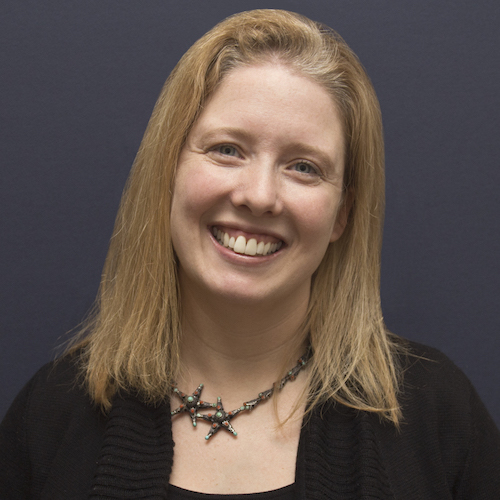
N. Luisa Hiller, PhD
Carnegie Mellon University
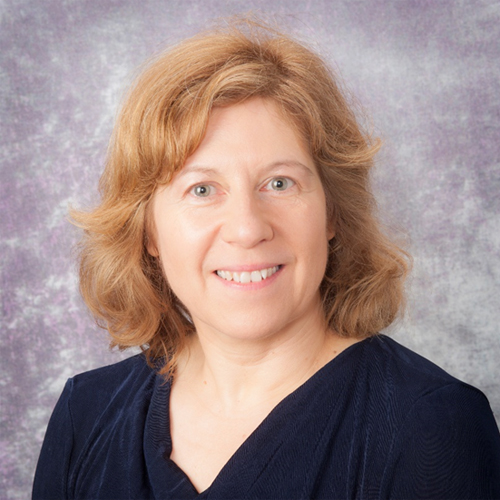
Barbara Methé, PhD
University of Pittsburgh School of Medicine
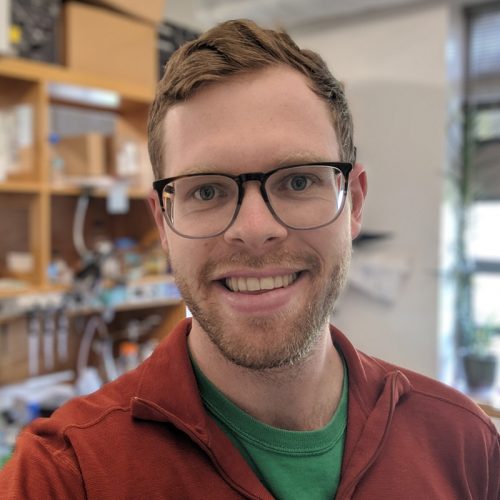
Drew Bridges, PhD
Carnegie Mellon University
Definitions:
Rust Belt: An area of the north United States historically known for heavy industry and steel production.
Rust Belt Microbiome: A cutting-edge conference named to commemorate the rise of Science and Medicine as emerging economic drivers in the Rust Belt region. The outstanding programs in microbiome or host-pathogen research highlight new forces in our region to improve human health, advance novel technology, and develop entrepreneurship. Our conference is designed to celebrate the past and the future of our thriving and vital area.